Thursday, November 12, 2026

Why Is Effective Communication Still a Challenge?

Effective communication improves performance, strengthens families, and helps children develop well. However, many people still struggle to communicate clearly and understand one another because of past experiences, personality and cultural influences.
Dr Joanna Jones, an organisational leadership expert and leadership consultant from the United States, shared insights on effective communication in the workplace and within families during a training session for staff members of Vessels of Hope Burundi, a Christian organisation. The training took place in Bujumbura on October 21, 2026.
Dr Jones explained that poor communication makes it difficult to resolve conflicts within organisations and families.

“Sometimes, we think we have communicated something clearly, only to discover that the people listening to us have not understood what we said,” she noted.
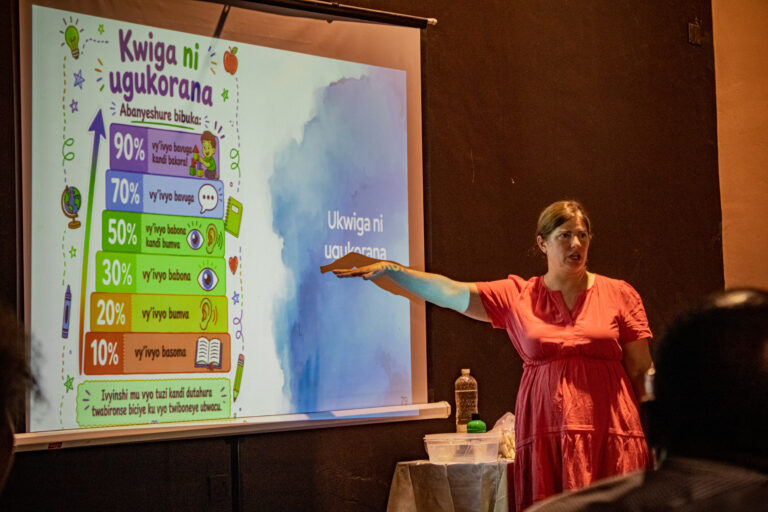
Speaking about communication techniques and how people convey their ideas, the expert explained that research shows people do not respond only to the words spoken. They also pay attention to the speaker’s emotional state, the emphasis placed on certain words, and the tone of voice used.
She explained that effective communication involves several elements, including the words spoken, the tone of voice, and body language.
“In communication, the words you use account for 10 per cent, your tone of voice and how you emphasise words account for 40 per cent, while your posture and gestures account for 50 per cent,” she said.
To emphasise this point, Dr Jones highlighted how even young children who have not yet learned to speak can receive and interpret messages.
“A young child may not understand words, but the tone of voice we use and the facial expressions we make communicate how a parent or caregiver is feeling and help convey the message we want to give the child,” she explained.
Dr Jones added that poor communication is often one of the underlying causes of conflicts within organisations and families.
She noted that everyone has their own communication style, which is influenced by their personality and cultural background.
What Are the Barriers to Effective Communication?
Dr Jones explained that several factors can prevent people from communicating effectively. Of them she identified five major barriers to effective communication between a speaker and a listener:
Personal history. She underscored past experiences and the cultural environment in which a person grew up is one of the influential factors while arguing that individual characteristics influence how a person communicates and interacts with others.
Other factors she highlighted include lack of communication skills, emotional state and distractions.
She further explained that effective communication requires the speaker to express ideas clearly and the listener to pay close attention.
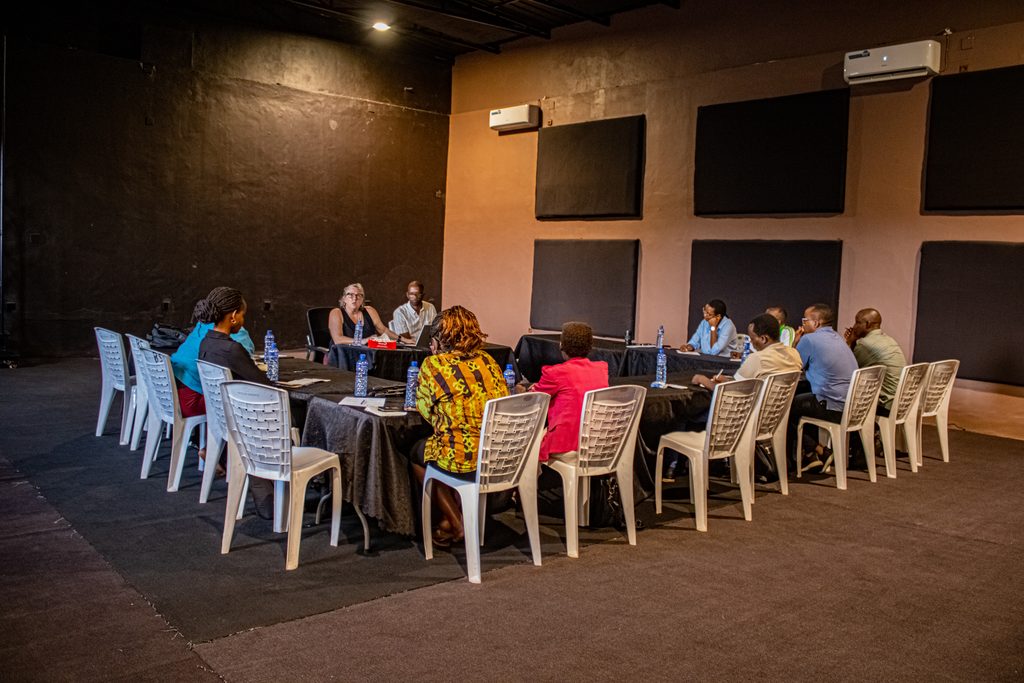
Violette Ntawanka, a caregiver teacher at the Early Childhood Development Centre operated by Vessels of Hope Burundi in Ruziba, Bujumbura, said the training would help her improve her work with children and their parents.
“These lessons will help me understand how to listen carefully to children and their parents and how to communicate with them. Above all, they will encourage me to examine myself before interacting with them and ask myself: ‘Will the way I am about to act bring honour to God?’” she said.
She added that the training would also change how she welcomes children arriving at the centre from their respective homes.
“Every day, we welcome children who come from their families. I will try to examine my own emotional state before receiving them and use gestures that demonstrate a warm welcome. I will smile at them because we learned that words play only a small role in effective communication,” she said.
Erica Bishaza Nininahazwe, a counsellor and one of the organisers of the training, who also heads the Christian Counselling department at Vessels of Hope Burundi, highlighted the importance of good communication in the workplace, families, churches, and the country as a whole.
“Good communication is essential in every aspect of human life. It helps build strong families, enables organisations to function as they should, allows churches to fulfil their missions, and contributes to the well-being of the country,” she said.
Dr Jones previously visited Burundi in March 2026, when she spent several days training leaders from various churches and organisations in Bujumbura on Redemptive Leadership.
Read Also : Church Leaders in Burundi Urged to Embrace Redemptive Leadership
During that visit, Chadrack Nininahazwe, head of Vessels of Hope Burundi, emphasised that every leader should receive training in Redemptive Leadership before taking on the responsibility of leading others.