Friday, November 13, 2026

Church Leaders in Burundi Urged to Embrace Redemptive Leadership
Theologians and church leadership experts are calling on pastors and religious leaders across Africa to embrace redemptive leadership, citing gaps in leadership skills despite the continent’s growing number of denominations.
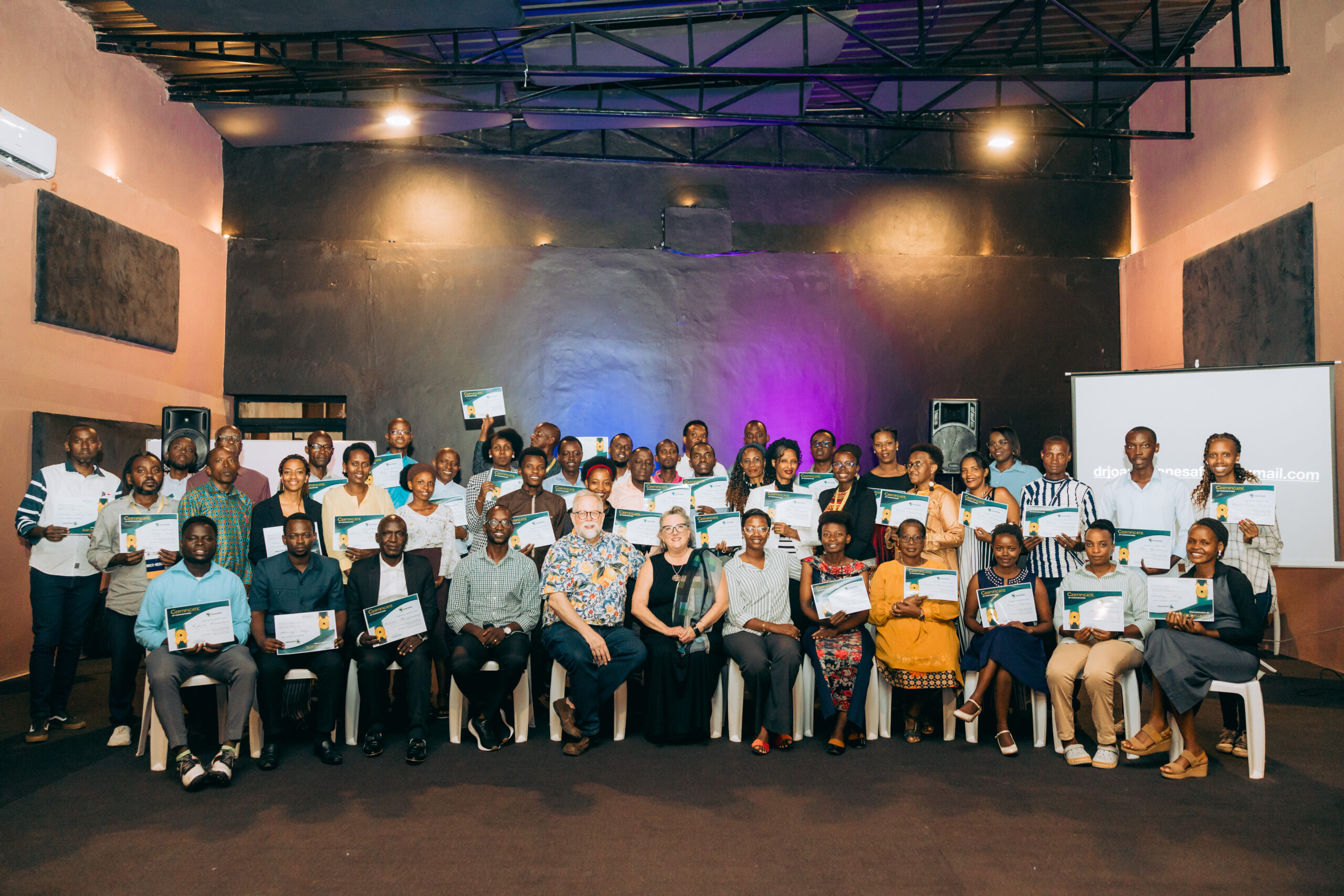
The call was echoed during a five-day training held from March 23 to 28, 2026, in the country’s economic capital, Bujumbura.
Speaking at the event, Dr. Joanna Jones, a leadership expert from the United States of America, stressed the importance of embracing what she described as redemptive leadership. She said this approach is key to spiritual growth, inner transformation, and aligning the mind and spirit.

“Although Africa has many Christians, many leaders do not have the opportunity to receive training that helps them effectively fulfill their responsibilities,” she said.
“Redemptive leadership comes from who we are, not just from what we know or our talents. Talents may bring visibility, but they cannot replace the work of redemptive leadership.”
Dr. Joanna Jones explained the difference between general leadership and redemptive leadership. She said that simple leadership seeks fame, having authority over people, ability, knowledge, and talents while true redemptive leadership is grounded in inner transformation and a continuous growth journey, as reflected in 2 Peter 1:5-7:
“…add to your faith goodness; and to goodness, knowledge; and to knowledge, self-control; and to self-control, perseverance; and to perseverance, godliness; and to godliness, brotherly kindness; and to brotherly kindness, love.”
Five Key Steps and Barriers to Leadership
During the training, Dr. Joanna outlined five key stages leading to effective redemptive leadership.
She identified competence as the entry point, where leaders gain the skills needed to carry out their responsibilities. This is followed by principles, where leaders understand the motivations behind their actions—though she noted many leaders stop at this stage.
She added that character enables leaders to understand their strengths and weaknesses, even when no one is watching. Transformation, she said, reflects a gradual inner change and a deepening relationship with God, often through challenges.
The final stage, redemption, allows leaders to help others find healing and hope through their personal journey with Jesus Christ.
However, she also highlighted major barriers that prevent leaders from reaching this level, including pride, shame, fear, and self-deception.
“Every leader must accept their truth and ask God for help in the journey of transformation,” she said.
“A Leader Must First Be Transformed”
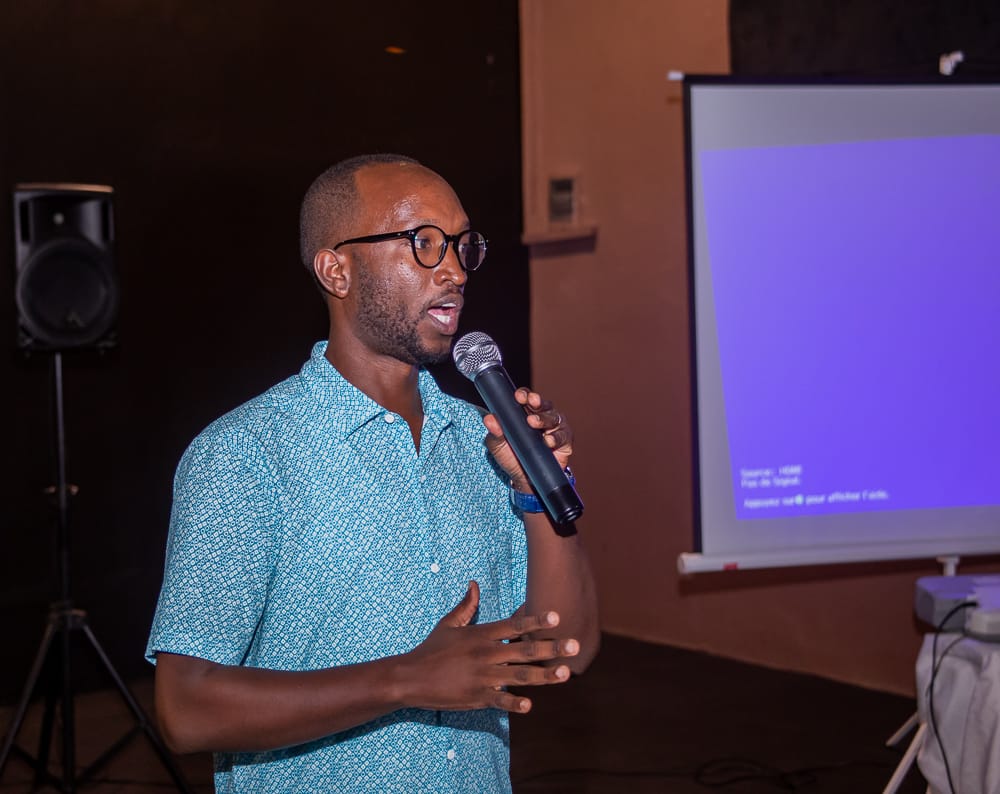
Chadrack Nininahazwe, the chair of Vessels of Hope Burundi—a local organization involved in community development, supporting children, and making mature Disciples of Christ—emphasized that leadership requires preparation.
“Every leader should first go through the teaching of redemptive leadership before stepping into leadership,” he said.

He stressed that true change begins within the individual.
“You cannot give what you do not have. A leader must first be transformed internally,” he added.
Participants Reflect on Impact
Participants described the training as transformative and impactful.
Pastor Isaac Liotey Mbonimpa from Eglise du Rocher in Bujumbura likened the training as a mirror to introspection.“These teachings are like a mirror helping me look within myself, identify what is wrong, correct bad habits, and strengthen good character. What I am gaining from this training is a treasure I will use to help others,” he said.
Noëlla Dorine Cishatse, a psychologist, echoed similar sentiments, emphasizing the importance of personal transformation before influencing others.
“You cannot sustainably change others without first changing yourself. You may do it temporarily, but it will not last”, she said.
“No one can lead others well without being on a journey of leading themselves well.”
In Burundi, where churches play a significant role in society, strong leadership is seen as a foundation for sustainable development. Redemptive leadership can help promote unity within churches, strengthen families, and guide a generation in need of positive role models.
As leadership challenges persist in churches and organizations, the message from the training remains clear: transforming others begins with the inner transformation of the leader.
The event concluded with the awarding of certificates to participants. Nininahazwe also announced plans to establish the Vessels Community Center, which will include a training hall, media studio, library, prayer space, spiritual counseling offices, and a dining area.
This story was translated from Kirundi to English and edited by Moise NDAYIRAGIJE